In the last decade, “efficiency” often meant leaner supply chains, lower inventories, and sourcing wherever inputs were cheapest. Eric Hazan and Grégory Blanc argue that playbook is now structurally outdated. The assumptions that underpinned globalization—abundant raw materials, secure trade routes, and a stable climate—no longer hold. Wars, energy shocks, extreme weather losses, and renewed tariffs are turning dependency from a convenience into a strategic vulnerability.
The authors’ core claim is simple: in an unstable world, resilience becomes competitiveness. They point to a shift already visible in corporate priorities: businesses increasingly optimize for secure access to markets and robust supply chains rather than short-term cost savings. In this framing, decarbonized and circular assets function like an insurance policy against price volatility and supply disruption.
Key points
- The “reference scenario” of a fossil-fueled, stable global economy is over; repeated shocks have become the new baseline.
- France’s exposure is structural: roughly three quarters of its material footprint comes from abroad, while the EU imports the vast majority of rare earths and lithium.
- Circularity remains insufficient at scale: volumes consumed grow faster than the ability to “close the loop,” and plastic recycling rates lag peers.
- Climate inaction is economically material: the authors cite research suggesting each additional degree of warming could reduce global GDP by ~12%.
- A “green and resilient” pathway could create a massive upside by 2050 versus business as usual—on the order of €7 trillion in additional European GDP—if Europe invests roughly ~2% of GDP per year to 2030 (about €2.3 trillion annually).
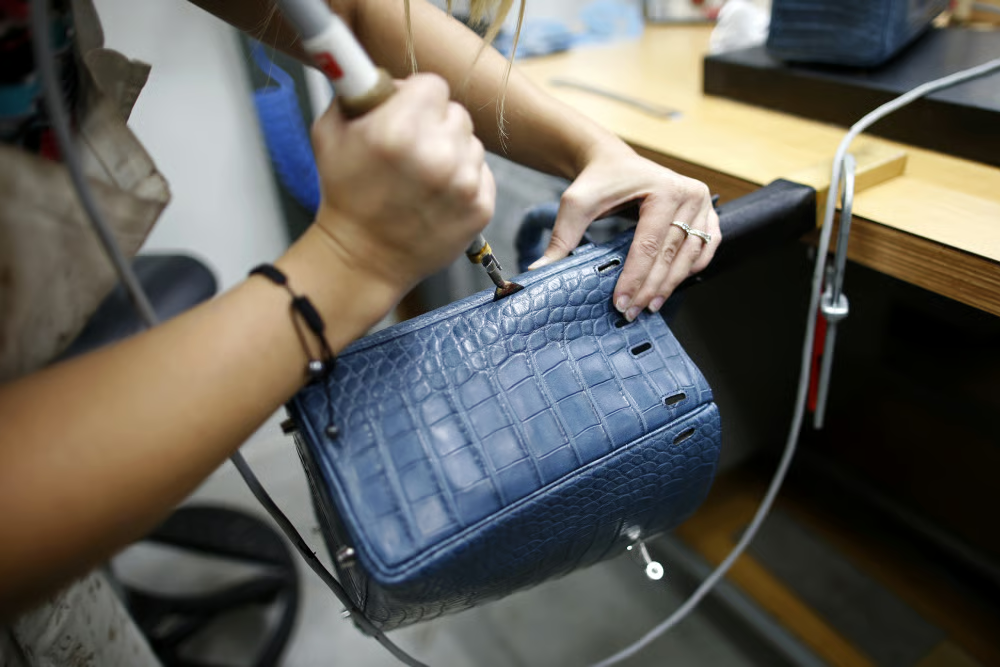
- Beyond recycling, the authors spotlight a more upstream model: the economy of functionality and cooperation, i.e., selling usage/performance instead of selling goods.
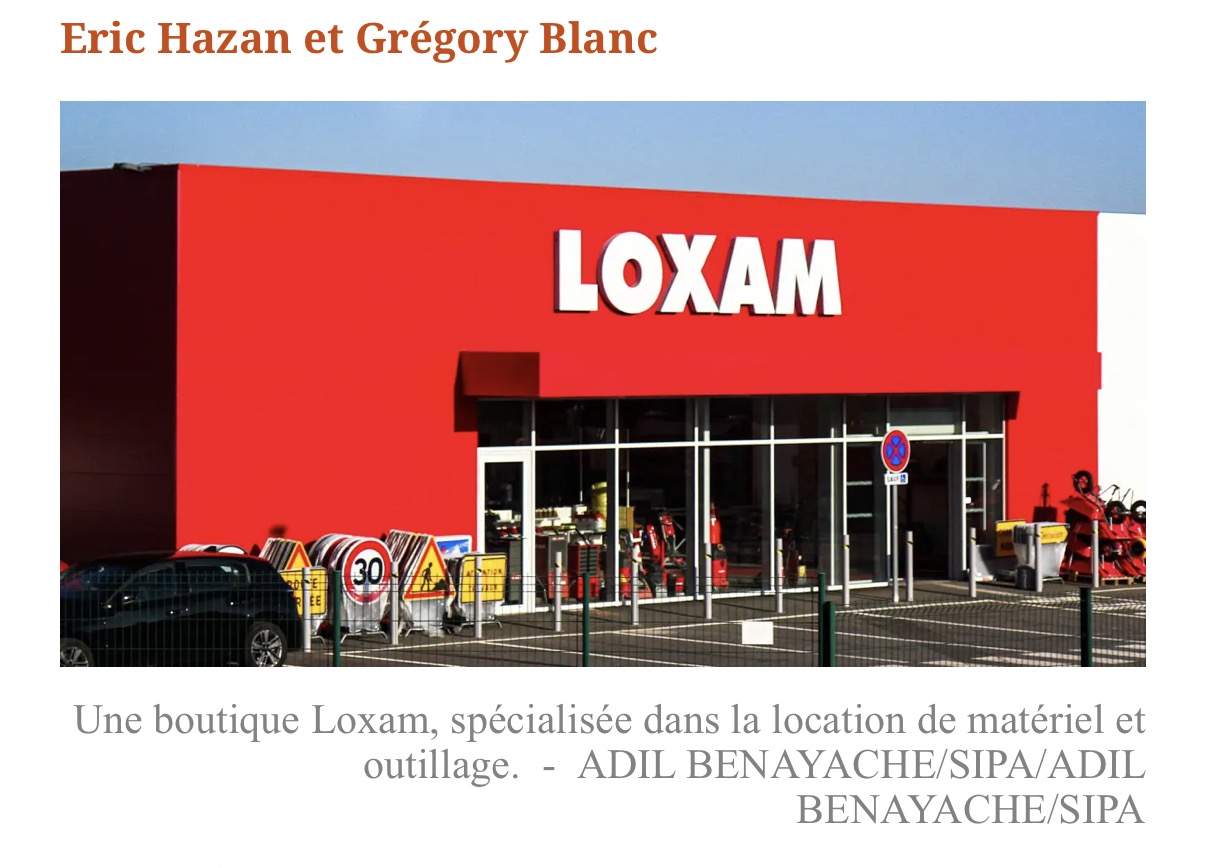
- Concrete cases show the logic: Loxam’s equipment rental model can cut emissions versus individual ownership; Orange rents Liveboxes and runs large-scale reuse, supported by local repair and maintenance jobs.
A model that aligns incentives—but collides with finance
The “economy of use” has an appealing internal logic: when a company keeps ownership of the asset, it has every incentive to design equipment that is robust, repairable, and remanufacturable. Value creation shifts from pushing more new units to maximizing performance over time.
Yet the paradox, Hazan and Blanc argue, is that the most resource-efficient model can be the hardest to finance. Holding assets on the balance sheet increases funding needs; banks often perceive higher risk and demand higher rates and more guarantees. At the same time, public statistics and accounting frameworks are still designed for a flow economy—produce, sell, replace—not a stock economy focused on maintenance, uptime, and reuse.
Resilience is no longer a cost—it is becoming the new competitiveness.
What would change: targeted reforms, not massive spending
Rather than calling for large new public budgets, the authors point to targeted adjustments to unlock scale:
- Create a clearer legal and statistical framework for performance-based “usage” contracts (including a dedicated regime and reference indicators).
- Remove financing bottlenecks (e.g., adapting tax credits to include organizational innovation; using public guarantees via Bpifrance to de-risk; channeling household savings).
- Modernize accounting rules to better reflect long-life critical materials and usage-linked assets (including longer amortization horizons and incentives for firms that commit).
- Use public procurement and reporting rules to make material intensity visible and reward lower-resource models.
The closing message is a strategic one: the question is no longer whether Europe must transform its value chains, but whether it will lead that transformation or be forced into it. Giving the economy of use the financial, accounting, and fiscal infrastructure it currently lacks is presented as a path toward greater sobriety, sovereignty, and competitiveness.